

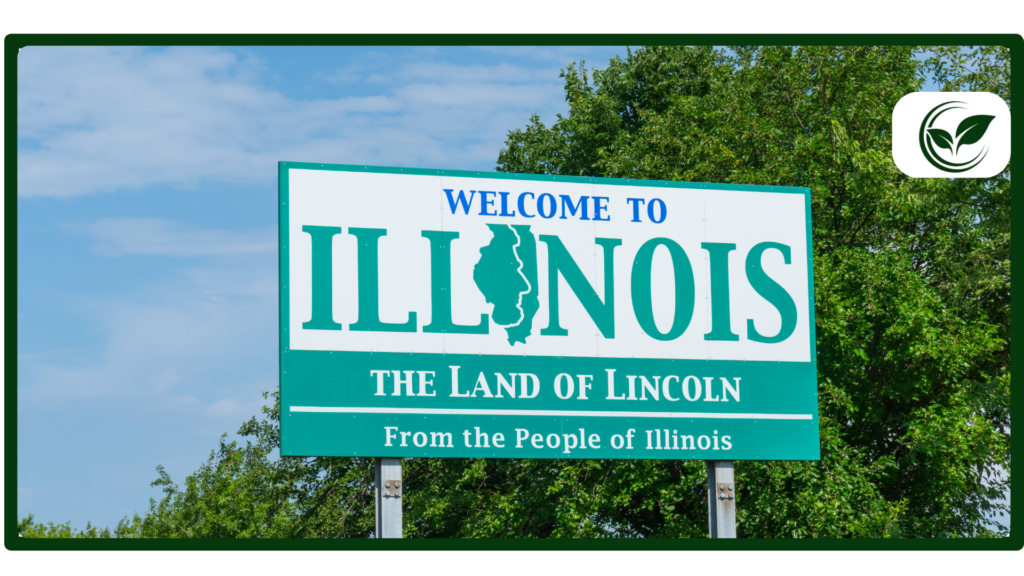
Cannabis was legalized for adult use in Illinois in 2020. However, even though cannabis was legalized, people are still choosing to use medical cannabis as a method of obtaining cannabis due to its cost-savings, ability to legally use cannabis, and flexibility compared to recreational cannabis. Patients need to understand the differences between recreational and medical cannabis, so they can make the best decision for their own situation.
Recreational Weed in Illinois
Illinois legalized recreational marijuana on January 1, 2020, as a result of the Cannabis Regulation and Tax Act, allowing adults 21 years and older to buy cannabis at licensed dispensaries throughout the state. Although this legislation has provided greater public access to cannabis, there are many restrictions prohibiting recreational users from being taxed or having the same limits on purchases, growing cannabis, and selling it.
Taxes
When it comes to taxes on cannabis, there is a major difference between medical and recreational marijuana. Medical marijuana is exempt from retail sales tax and has only a 1% cultivation tax that is paid by the consumer. The excise taxes on recreational cannabis are much higher, with a combined rate of about 30-40%, because they have a 10% retail sales tax, a 25% cannabis purchase tax, and various local taxes (5% in Chicago).
Restrictions
Recreational buyers must prove age (21+), while medical access requires a qualifying condition, certification from a licensed provider, and a valid Illinois medical cannabis registry card.
Limits
Medical patients may purchase up to 2.5 ounces every 14 days, whereas recreational users are limited to:
- 30 g (about 1 ounce) of cannabis flower
- 5 g of concentrate
- 500 mg of THC-infused products
Benefits of a Medical Marijuana Card in Illinois
For individuals who use cannabis to manage chronic pain, anxiety, PTSD, cancer-related symptoms, or other qualifying conditions, obtaining a medical marijuana card provides meaningful advantages. Beyond cost savings, the medical program offers greater flexibility, legal clarity, and consistent access. Below are the key benefits of choosing medical marijuana over recreational cannabis in Illinois.
Lower Overall Costs
Compared to recreational consumers of marijuana, medical cannabis users will have a lower overall tax burden. As time goes on, it is apparent that there will be a large accumulation of savings for the medical marijuana user. Daily and weekly users will see savings in the hundreds of dollars or more in savings because of their reduced tax burden.
Higher Possession and Purchase Limits
The medical marijuana patient has access to 2.5 ounces (or the equivalent weight) of medical marijuana every 14 days with a doctor’s recommendation (the limit for terminal patients is higher). The higher limit for medical marijuana patients gives them greater options regarding their use of the product in a continuous manner and lessens the frequency of visits to the dispensary. In this way, the medical marijuana patient will be able to better manage their ongoing medication with reduced risk of running out of their medication.
Legal Home Cultivation Rights
Patients who have a medical cannabis registration card can cultivate a maximum of five plants (only two of which may be mature) at home. By allowing patients to cultivate and grow their cannabis, the patient has more control over the amount of supply they receive and can also select the cannabis they want, allowing patients to select a strain that will meet their medical requirements, as well as reducing costs over time.
Priority Access at Dispensaries
When there is a high demand or limited inventory of cannabis available for purchase, individuals receiving medical marijuana will be given priority service to ensure they have access to the needed product for their illness.
Eligibility for Patients Under 21
Individuals under the age of 21 can obtain medical cannabis; however, individuals under the age of 21 must have a parent present when obtaining medical cannabis and must also have a registered caregiver. The benefit of providing this assistance to individuals under the age of 21 ensures they have access to treatment.
Additional Legal Protections
Individuals who use medicine through the medical marijuana program could benefit from some additional legal protections in their workplace and in their housing situation. Each employer has different workplace policies, so having an official medical marijuana card can act as a form of documentary evidence or proof a lawful medical use in the state of Illinois.
Medical Oversight and Guidance
To be enrolled in the medical program, patients must be certified by a licensed physician, which ensures the use of cannabis for medical purposes is based on medical necessity and that the patient’s other forms of treatment will be taken into account as part of their overall treatment plan.
Key Takeaways
- Medical marijuana in Illinois is generally cheaper due to tax advantages.
- Patients benefit from higher possession limits, reliable supply, and home cultivation rights.
- Medical marijuana is available to younger qualifying patients with proper consent.
- Additional legal protections apply to medical users.
Conclusion
In Illinois, many people benefit from having a medical marijuana card. The card will generally provide patients access to lower prices due to being able to avoid taxes that affect recreational consumers, providing consumers with greater consistency of product supply, and the ability to have legal protection as it relates to carrying larger amounts of cannabis than what is allowed for recreational consumers. In addition, medical marijuana program users have access to better structured support and flexible options now than when they first obtained their MMJ certification.
Frequently Asked Questions (FAQs)
What is the main difference between medical and recreational marijuana in Illinois?
The primary differences include taxation, possession limits, eligibility requirements, and legal protections – with medical users often paying less and possessing more cannabis.
Do medical marijuana cardholders pay taxes in Illinois?
Yes, but medical cannabis is only subject to a nominal state tax compared to the higher combined taxes on recreational weed.
Can people under 21 get medical marijuana in Illinois?
Yes, minors may qualify with consent from a parent or legal guardian and a certified physician’s recommendation.
Is it worth getting a medical marijuana card if recreational use is legal?
For regular or therapeutic users, the card often provides cost savings and access benefits that outweigh recreational convenience.
Can medical marijuana cardholders grow their own cannabis?
Yes, qualified medical patients aged 21 and up may cultivate up to five plants at home.
Does having a medical card protect me legally at work?
While medical use is recognized by law, workplace policies can vary- the card doesn’t guarantee you won’t face discipline if under the influence at work.
How long does it take to get an Illinois medical marijuana card?
With online certification services like MMJMedics, most patients can complete the process quickly, often within a few days.
Ready to Get Your Illinois Medical Marijuana Card?
MMJMedics allows you to take advantage of using medical marijuana legally in Illinois by connecting you with qualified doctors who will perform your evaluation through telemedicine and save you from having to go to a doctor’s office.
Book an appointment with MMJMedics and get certified for your medical marijuana card today!
Resources
https://dph.illinois.gov/topics-services/prevention-wellness/medical-cannabis.html
https://www.ilsos.gov/departments/oig/medical_cannabis.html
https://dph.illinois.gov/topics-services/prevention-wellness/medical-cannabis.html
https://www.ilga.gov/legislation/ilcs/ilcs3.asp?ActID=3992&ChapterID=35
https://idfpr.illinois.gov/profs/adultusecan.html
https://tax.illinois.gov/research/taxinformation/other/cannabis-tax-frequently-asked-questions.html