If you want to get a medical cannabis card, transparency will be critical to a successful consultation. Cannabinoids may help manage a variety of medical conditions, but eligibility depends on a physician’s evaluation of your symptoms and medical history. In this guide, you will learn how to talk with your medical professional and prepare for your appointment, and you will understand which medical conditions qualify for the use of medical marijuana.
Honesty Is Key: Be Transparent with Your Doctor
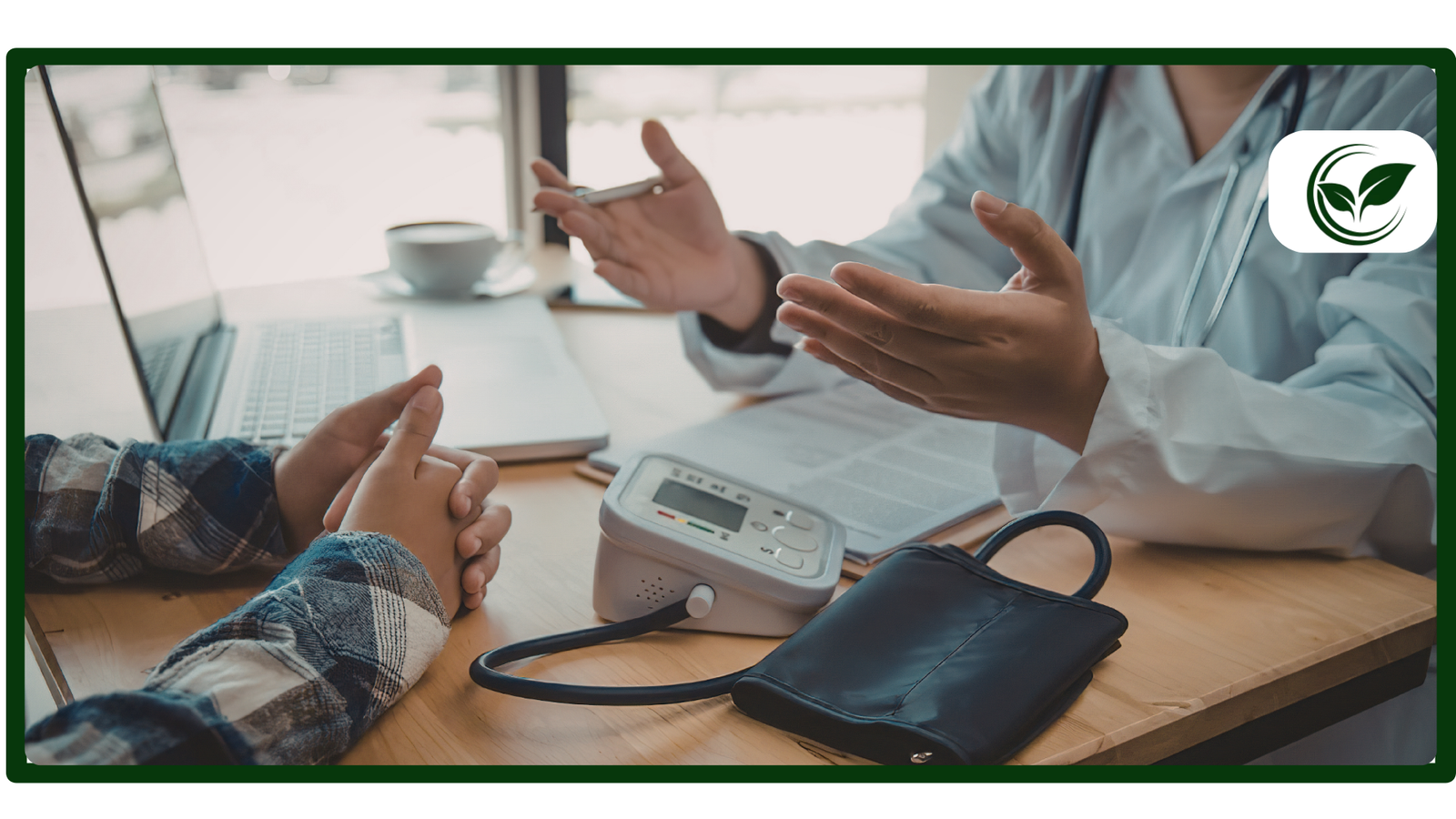
The foundation of trust is essential to a successful doctor-patient relationship, and your encounter should be focused on communicating openly regarding your physical or mental health issues for the purpose of facilitating your physician’s ability to assist you. Your physician will use all available information about you and your prior history to determine whether or not cannabis is an appropriate and viable treatment option for you, and therefore, you have no reason to exaggerate your symptoms because it can impact your recommended care and treatment plan.
When meeting with your doctor, ensure that you provide:
- Your Current Symptoms: A complete list of your symptoms, including what exactly you’re experiencing and how they disrupt your daily life.
- Past Medical Interventions: A complete list of all prior efforts you’ve made to address your symptoms, including medications, therapies, and holistic methods, as well as the degree of success they’ve had.
- Your Interest in Cannabis: Why you believe that medical cannabis is a good next step for you, and any additional research you’ve done individually regarding the benefits of medical cannabis.
By providing this thorough overview of your symptoms and previous treatments, you will provide your doctor with enough information to evaluate whether or not to issue you a medical cannabis recommendation.
How to Prepare for the Appointment
A little preparation goes a long way in ensuring your appointment is smooth and comprehensive. Having the right information ready allows the doctor to focus on your care.
Gather Medical Documentation
It is not always a requirement, but if you have access to copies of your medical records, including specialists’ notes, diagnostic test results, and current medications, this information can help your doctor understand your medical condition better.
Document Your Symptoms
Write down a record of your symptoms, including how often they occur, how severely they affect you, and when they started. Note how these symptoms affect your ability to do your job, sleep, or get around.
Review Previous Treatment Successes and Failures
Be prepared to discuss any medications that have not been effective at all (i.e., whether they caused an adverse reaction or did not help with the symptoms). This information will be helpful to your doctor in treating you.
Prepare a List of Questions
Be sure to inquire about potential delivery methods (i.e., tinctures, topical applications, and flower), possible side effects, and how to find a dosage that is best for you.
What to Say During the Appointment
During the actual consultation, focus on clear communication. Use these steps as a roadmap for your conversation:
Lead with Your Main Concern
Identify the primary issue that brought you to the office. For instance:
-“I have been dealing with persistent joint pain that makes it hard to stay active.”
-“My chronic insomnia is affecting my performance at work, and I need a more natural solution.”
Detail the Impact on Your Quality of Life
Explain the “why” behind your request:
-“The discomfort prevents me from sleeping through the night.”
-“My symptoms are so unpredictable that I often have to cancel social or family commitments.”
Be Clear About Unsuccessful Treatments
Explain why you are looking beyond standard options:
-“The over-the-counter medications I’ve tried are no longer effective.”
-“I want to move away from habit-forming prescriptions that make me feel groggy.”
Share Your Research
Mentioning that you’ve looked into the science shows you are an engaged patient:
-“I’ve seen studies suggesting cannabis can help manage inflammation, which is why I’m interested in it for my condition.”
Common Medical Conditions for Getting Approved
Eligibility requirements vary by state, and each state has its own list of qualifying conditions. To determine eligibility for the types of therapy you are considering in your specific state, check your state’s health department website (such as the Florida Department of Health website). Medicinal marijuana is permitted in more than 30 states and the District of Columbia. In many states, patients must demonstrate that conventional treatments have been ineffective before qualifying for medical cannabis.
- Chronic Pain: Persistent pain from arthritis, neuropathy, or injuries that hasn’t responded to other treatments.
- Anxiety and PTSD: Many patients find cannabis helps regulate mood and reduces the intensity of trauma-related triggers.
- Cancer Support: Used frequently to mitigate the nausea and appetite loss associated with chemotherapy.
- Epilepsy: Certain cannabis-derived compounds have shown effectiveness in reducing seizure frequency in specific types of epilepsy.
- Multiple Sclerosis (MS): Effective for managing muscle spasticity and related neuropathic pain.
- Glaucoma: Helps in reducing intraocular pressure to prevent further optic nerve damage.
- GI Disorders: Conditions like Crohn’s or Ulcerative Colitis may benefit from the anti-inflammatory properties of cannabis.
- Migraines: Can reduce the duration and frequency of debilitating headache episodes.
- Sleep Disorders: Helps patients with chronic insomnia fall asleep faster and achieve more restorative sleep.
What If Your Doctor Is Unsupportive?
There are many different levels of expertise among doctors when it comes to cannabis. If your doctor is reluctant to help you, there are other experienced options available.
- Seek a Second Opinion: Find another physician who provides medical cannabis evaluations.
- Visit a Specialized Clinic: MMJMedics provides medical cannabis evaluations to help guide patients through the certification process.
- Use Telemedicine: There are many online telehealth providers that provide you with access to physicians for compassionate care remotely. These providers can assess your medical history and provide you with recommendations on how to qualify for a medical marijuana card from the comfort of your home.
Appointment Pricing
| Service Type | Price |
| Initial Consultation & Certification | $99 |
| Follow-up or Renewal | $99 |
After the Appointment: What Next?
After your request is approved by your provider, the certification process usually takes place quickly. You will be sent your medical marijuana certificate by email. In most states, you can use this digital certificate immediately, allowing you to go to a licensed dispensary and buy the products you want. If you are not approved, your provider will inform you of their clinical rationale and may recommend alternative forms of treatment.
Final Thoughts
To get your medical marijuana card, it all begins with a discussion. Being forthcoming, prepared, and knowledgeable helps you collaborate with your health care provider for the relief you need. The goal of MMJMedics is to help you on this journey in a way that is both straightforward and highly supportive. Every member of our experienced staff will support you throughout the process, ensuring that you receive the highest standard of care throughout your entire journey.
Ready to start your journey? Book your appointment with MMJMedics today.
Frequently Asked Questions
What are the best questions to ask my doctor about cannabis?
You should inquire about which particular strain or delivery method (edibles vs oil) will be best for your condition and if there are any potential interactions with your current medications. Additionally, it is a good idea to get information regarding the ideal dosage for a beginner, which is usually “start low and go slow”.
Is it difficult to obtain a medical marijuana card?
When you have a condition that qualifies, applying for a medical cannabis card is usually not too difficult. If you want an easy and quick evaluation from a registered and qualified medical professional who understands the therapeutic effects of cannabis, you should use MMJMedics, which is the easiest and fastest way to complete the application process.
What conditions qualify me for medical marijuana?
Most states allow a wide range of medical conditions, including, but not limited to, chronic pain, PTSD, anxiety, cancer, and seizures. Many physicians can authorize medical marijuana use for qualifying patients who have any conditions they believe would substantially improve with cannabis use.
What exactly is a medical marijuana card?
A medical marijuana card is a document that is recognized by law or by the state as proof that you are a registered medical marijuana user. Having a medical marijuana card allows you to go to a dispensary and purchase a product that has been tested in a laboratory, as well as providing legal protection to you from having more product in your possession than the limits set by state law.
Do I need to bring my whole medical history to the appointment?
While you do not always need to have a complete medical history to get your medical marijuana card, you will need relevant medical records regarding your diagnosis. Having this documentation will allow the doctor to quickly verify your diagnosis and will also allow them to determine if cannabis will affect any of your other treatments.
Can I do my medical marijuana evaluation online?
Yes, telemedicine can provide you with your medical marijuana card in many states. Telemedicine allows you to speak with a licensed doctor over a secure video call so that people who may have trouble getting to their doctor’s office can still get their medical marijuana card easily.
How long does the certification last?
Medical marijuana certification lasts for one year. At the end of this year, you should book a simple appointment to renew your certificate so that you can remain current with the amount of medication. This appointment is also an opportunity for your doctor to review how the medications are working and if any adjustments need to be made to provide maximum benefit to you.
Resources
https://mmuregistry.flhealth.gov
https://www.ncsl.org/health/state-medical-marijuana-laws
https://www.cdc.gov/cannabis/about/state-medical-cannabis-laws.html
https://www.nccih.nih.gov/health/cannabis-marijuana-and-cannabinoids-what-you-need-to-know
https://medlineplus.gov/ency/patientinstructions/000899.htm
https://www.mayoclinic.org/healthy-lifestyle/consumer-health/in-depth/medical-marijuana/art-20137855
https://disa.com/marijuana-legality-by-state
https://norml.org/laws/medical