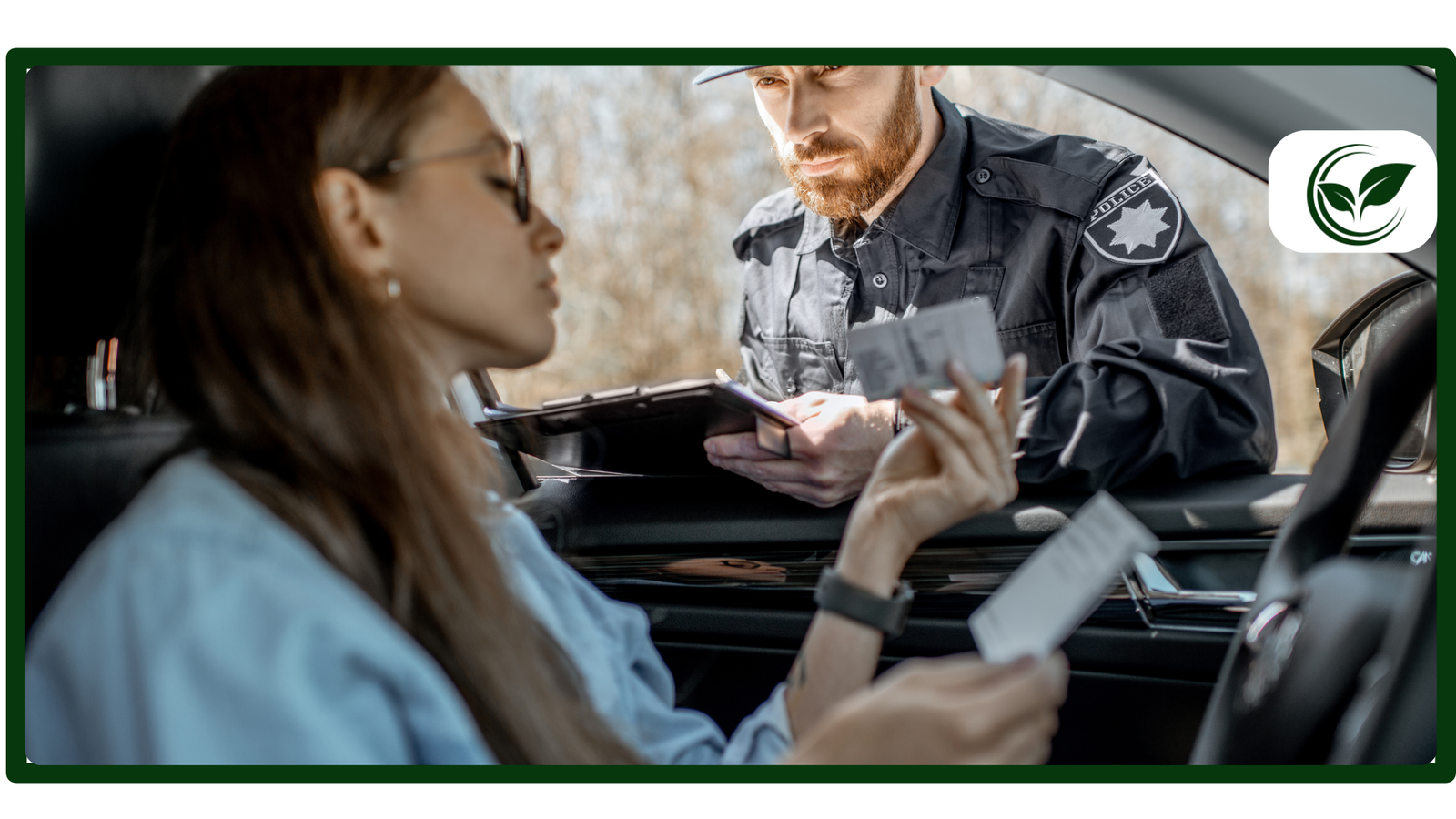
With marijuana laws being implemented nationwide, many individuals buying marijuana for medical purposes are concerned about their privacy rights and whether or not law enforcement agencies have the ability to access personal information about their marijuana use. One of the most frequently asked questions by these patients is whether police will be able to determine whether or not someone possesses a medical marijuana card when they encounter them during standard law enforcement procedures.
Understanding Medical Marijuana Registries
State-regulated, secure registries track qualified medical marijuana patients and their caregivers. These registries also include health care professionals who are authorized to certify patients for the medical use of marijuana.
Medical marijuana registries typically include:
- Patient identification details
- Medical marijuana card or registry ID numbers
- Certification status and expiration dates
- Authorizing healthcare provider information
These registries are utilized for verification purposes only and are not intended to provide law enforcement with routine access to the information contained in the registries. The registry data will not be linked to driver’s license records or other criminal justice databases for the confidentiality of patient information.
Can a Cop See If You Have a Medical Card?
Understanding how law enforcement systems work can help clarify when, if ever, a medical marijuana card may be visible to police officers.
What Happens During Routine Traffic Stops
When stopping vehicles for various reasons, police officers usually check the driver’s license and vehicle registration to see if there are any outstanding warrants for either the driver or the vehicle owner. Medical marijuana card status does not appear during this process. Police officers cannot determine medical marijuana status by checking a driver’s license or running a routine name search. Some jurisdictions (such as Colorado) do allow law enforcement agencies to confirm this status upon stopping or arresting the individual.
When Law Enforcement May Access Medical Marijuana Records
Law enforcement is only allowed by law to verify that someone has met the criteria for being allowed to possess medical marijuana in some specific situations:
- When law enforcement acquires possession of cannabis, they must verify that it is legally possessed by the person
- When a patient willingly presents their medical marijuana card
- When law enforcement has established probable cause in an ongoing criminal investigation
- If law enforcement obtains a warrant, subpoena, or court order permitting them to access registry data or information.
In addition, any access to registry data is generally restricted, logged, and monitored to prevent misuse.
State-Specific Privacy Protections
Several states have taken steps to create more layers of protection for individuals obtaining cannabis for medical purposes. Protection layers include:
- The information contained in the state registry cannot be considered the sole basis for the search
- No data regarding a registered patient can be released for any reason other than for a purpose authorized by law
- A limited number of states outline that all roadside registry checks are explicitly prohibited, while others (e.g., Colorado and Florida) allow roadside registry checks after the stop or patient claims an exception
- To be eligible for participation in voluntary medical programs (medical marijuana programs), individuals must inform others of their status as a registered patient
All of these additional protections are designed to create a comparable level of privacy for medical marijuana patients compared to other patients receiving medical care.
Myths vs. Facts About Police and Medical Marijuana Cards
- Myth: Police can immediately tell if someone is a medical marijuana patient
Fact: Medical marijuana registries are not visible during routine police checks - Myth: Carrying a medical card prevents all legal issues
Fact: Patients must still follow possession limits and usage laws - Myth: Medical marijuana cards override federal law
Fact: Marijuana remains federally illegal despite state authorization - Myth: A medical marijuana card guarantees workplace protection
Fact: Employment protections vary widely by state and employer
What to Do if Pulled Over While Carrying Medical Cannabis
Medical marijuana patients should follow these best practices:
- Keep cannabis in sealed, labeled containers
- Store cannabis out of reach while driving
- Carry a valid medical marijuana card
- Know state possession and transportation laws
- Avoid driving under the influence
Following state guidelines reduces the likelihood of legal complications during a traffic stop.
Protecting Medical Marijuana Patient Privacy
Patients can take proactive steps to safeguard their information:
- Avoid unnecessary disclosure of medical marijuana status
- Secure physical and digital copies of medical cards
- Refrain from handing over personal devices
- Store cannabis discreetly and legally
Understanding patient rights and state privacy laws helps ensure confidentiality is maintained.
Why a Medical Marijuana Card Is Worth It
Beyond privacy considerations, a medical marijuana card offers meaningful advantages for qualified patients.
Access to medical-grade cannabis products
States allow access to laboratory-tested cannabis products that are developed especially for therapeutic uses and that have set standards of consistency for both potency and safety.
Higher possession and purchase limits
Medical marijuana cardholders may also possess and acquire substantial amounts of marijuana beyond what a recreational user is eligible for, thus providing additional support for long-term treatment needs with cannabis.
Lower overall costs for patients
Most medical marijuana patients pay a lower rate of tax compared to what recreational users would pay, in addition to being able to use treatments for less overall cost than would be accessible through the recreational program.
Stronger legal protections
A medical marijuana patient has a valid medical marijuana card to help demonstrate that they are compliant with all of the laws of their state related to the use of medical marijuana.
Eligibility for patients under 21
In many states, children under 18 years of age (sometimes up to 21) may be able to become qualified through parental consent, as there are no recreational cannabis laws in these states.
Professional medical guidance
The state will require a licensed doctor to provide evaluations and recommendations to their patients (this helps ensure that the patient who has a qualifying condition is using the right product for their specific needs).
Access to specialized formulations
There are many products available for qualified patients in medical dispensaries, including strains that have a high concentration of CBD or a very low ratio of THC to CBD.
Continuity of care
Some practices have created certificate programs in a variety of ways to allow patients to continue accessing their medicine without disruption.
Beyond Legal Protections, Research Highlights Meaningful Benefits of THC for Qualified Conditions
Scientific research continues to explore how THC may support symptom management for various medical conditions.
Chronic pain management
THC interacts with the endocannabinoid system, which can help lessen the sensation of pain in people suffering from chronic or treatment-resistant pain.
Muscle spasticity and neurological condition
In addition to potentially reducing muscular tension and involuntary spasms, there is evidence that THC could be beneficial in improving an individual’s mobility and level of comfort.
Appetite stimulation and weight support
Studies have indicated that using THC will likely promote the appetite of an individual, benefiting those who have lost weight as a result of a decreased interest in eating.
Nausea and vomiting relief
Many studies have demonstrated that THC can be effective in alleviating nausea and vomiting in patients receiving intensive medical treatment.
Sleep support
THC may help certain patients fall asleep faster and maintain longer sleep cycles by reducing discomfort and restlessness.
Key Takeaways
- Police cannot automatically see a medical marijuana card status
- Registry access is limited and regulated by state law
- Privacy protections vary by state
- Medical marijuana cards provide legal, medical, and financial advantages
- Compliance with state laws remains essential
Frequently Asked Questions
Can police see medical marijuana status during a license check?
No. Medical marijuana registries are not connected to DMV or routine law enforcement systems used during traffic stops.
Is a patient required to tell the police they have a medical marijuana card?
In most states, disclosure is voluntary unless cannabis possession is directly questioned or required by law.
Does having a medical card protect against DUI charges?
No. Driving while impaired is illegal in all states, even for medical marijuana patients.
Is medical marijuana registry information confidential?
Yes. Most states enforce strict confidentiality laws that limit who can access patient data.
Can employers find out if someone has a medical marijuana card?
No. Registry data does not appear in standard employment background checks, though workplace drug policies may still apply.
Do medical marijuana protections apply when traveling?
Medical marijuana protections are state-specific and generally do not extend across state lines.
Can law enforcement from another state verify a medical card?
No. Medical marijuana registries are not shared between states and cannot be accessed across jurisdictions.
Is a medical marijuana card worth it in recreational states?
Having a medical marijuana card offers greater legal protection and lower prices for products than having no card, even in states where recreational marijuana use is legal.
MMJMedics offers a secure and convenient way to obtain a medical marijuana card through licensed healthcare providers. With telehealth evaluations and expert support, MMJMedics helps eligible patients access medical cannabis legally and confidently.
Resources
https://www.nhtsa.gov/risky-driving/drug-impaired-driving
https://www.mpp.org/policy/federal/medical-marijuana/patient-rights