
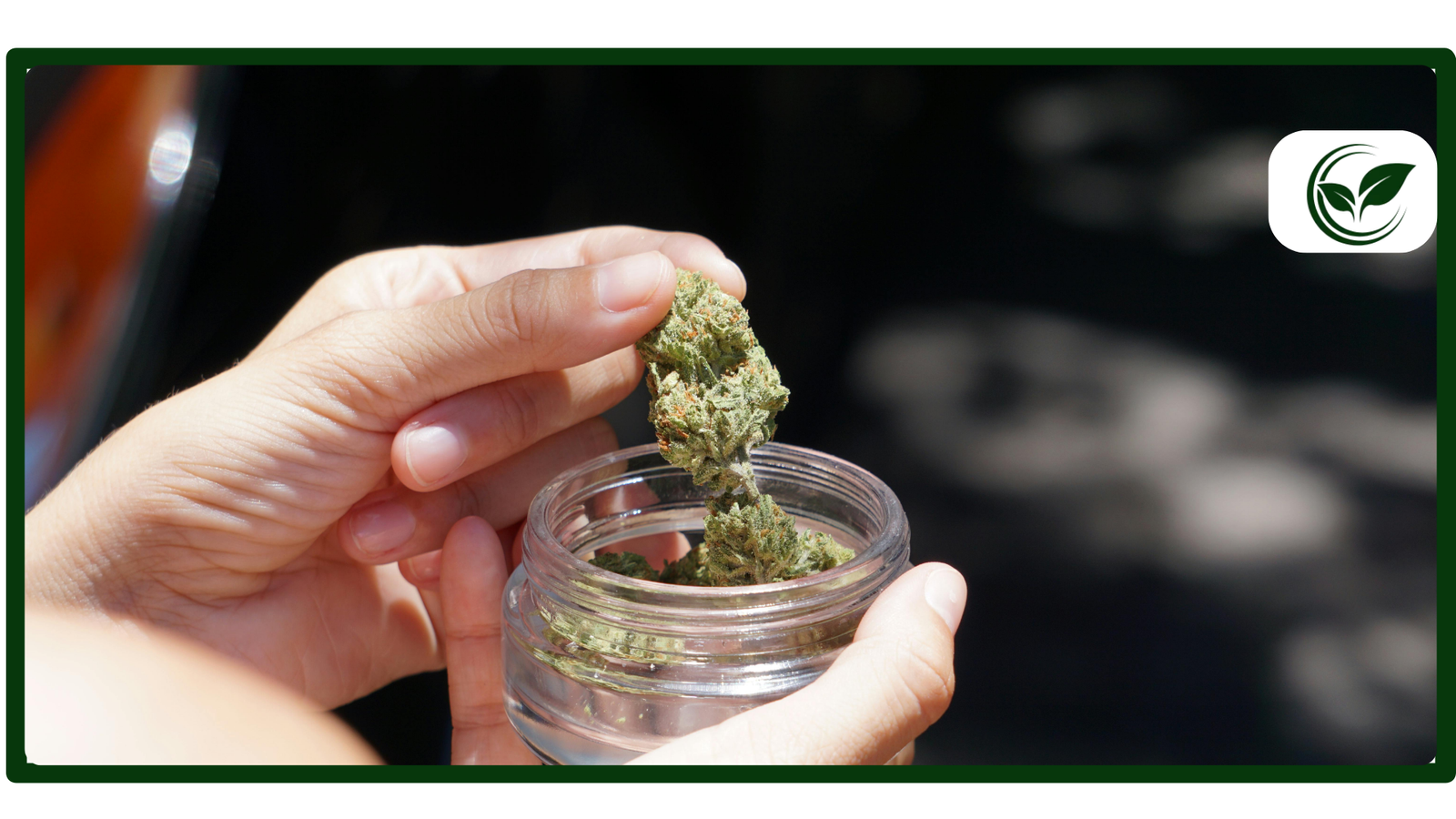
Minnesota has been at the helm of medical cannabis reform since 2014, when it legalized medical marijuana and evolved its program from there. As of 2025, Minnesota is offering a legally structured, patient-centered program that supports access to those who qualify for its relief in medical conditions. If you are on the fence about whether medical marijuana is for you in Minnesota, this guide will take you through the criteria for eligibility, the certification process, and where to get a medical marijuana card.
Understanding Minnesota’s Medical Cannabis Program
Minnesota’s Medical Cannabis program is built on the premise that cannabis can be offered to patients with qualifying medical conditions. Minnesota is different than many states in that it does not have a physical medical marijuana card – it has a registry. After patients see a licensed healthcare provider and receive medical certification, they will be enrolled on the state’s Medical Cannabis Registry and will be able to buy cannabis-infused products from registered dispensaries.
Qualifying Conditions for Medical Marijuana in Minnesota
Qualifying conditions for the program include:
- Cancer
- Glaucoma
- HIV/AIDS
- Tourette syndrome
- Amyotrophic lateral sclerosis (ALS)
- Seizures (including epilepsy)
- Severe muscle spasms that are persistent
- Inflammatory bowel disease
- Terminal illness
- Intractable pain
- Post-traumatic stress disorder (PTSD)
- Autism spectrum disorder (ASD)
- Obstructive sleep apnea
- Alzheimer’s disease
Patients must also have legal residency in Minnesota and have a valid government-issued photo ID to prove residency.
The Certification Process: How to Obtain a Medical Marijuana Card
To obtain an MMJ card, you can simply follow this procedure:
1. Make an appointment with a licensed health care provider
The first step to participate in the Medical Cannabis Program is to see a Minnesota-licensed physician, physician assistant, or advanced practice registered nurse who is registered with the Office of Cannabis Management. At this appointment, the health care provider will review your medical history and determine if you qualify as a person with a qualifying condition according to state law.
2. Obtain Certification
If the health care provider determines you have a qualifying condition, he or she will certify you for the Medical Cannabis Program after having determined that you are an appropriate candidate for the program. This certification is required to register as a participant in the state’s Medical Cannabis Registry.
3. Register with the Medical Cannabis Registry
Lastly, after you receive a certification, you will have to register with the Minnesota Medical Cannabis Registry. You will have to go online and fill out an application, prove your identity and Minnesota residency, and pay the registration fee. Once you are done, the state will review your application and contact you after it has been approved.
Costs Associated with the Program
Although the annual enrollment fee was removed, patients will still need to pay for medical cannabis products purchased at licensed dispensaries. The price of these products varies from dispensary to dispensary and product to product, and certainly, medical insurance does not cover the cost of medical cannabis.
Accessing Medical Cannabis in Minnesota
Minnesota has a number of licensed medical cannabis dispensaries in the state. After enrolling in the Medical Cannabis Registry, patients may go to these dispensaries to obtain approved cannabis products. Dispensary locations include places such as Minneapolis, Rochester, St. Paul, and Bloomington, just to name a few.
Renewal and Reenrollment
In order to remain in the program, patients must renew their certification each year. Furthermore, patients must reenroll in the Medical Cannabis Registry every three years to be permitted to continue access to medical cannabis.
Roles of Healthcare Providers
Healthcare providers are essential to the Minnesota Medical Cannabis Program. They certify patients with qualifying conditions and encourage patients to understand the benefits and risks of medical cannabis use. Healthcare providers must comply with the state’s reporting requirements, which are designed to collect data on patient outcomes and program effectiveness.
Caregivers
Patients who are underage or cannot manage their own use of medical cannabis are allowed to designate a caregiver. Caregivers must be registered on the Medical Cannabis Registry. Caregivers may purchase and use medical cannabis for patients. Caregivers must complete the registration process, which entails background checks and training to manage the safe and responsible use.
Important Considerations
- Residency Requirement: You must be a legal resident of Minnesota in order to be eligible for the program.
- Validity of Certification: All certifications last for one year and need to be renewed each year.
- Availability of Products: Not all cannabis products are available at every dispensary. Patients should ask their local dispensary about the availability of products.
- Legal Protections: Medical cannabis use is legal under state law, but illegal under federal law. Patients should consider the legal implications, especially in terms of employment and travel.
Contact Information
For more information or assistance with the certification and registration process, patients can contact the Office of Cannabis Management:
- Phone: 651-201-5598 or 1-844-879-3381 (toll-free)
- Email: medical.cannabis@state.mn.us
- Website: mn.gov/ocm/medicalcannabis
Final Thoughts
Minnesota’s Medical Cannabis Program provides a regulated and accessible avenue for qualifying patients to obtain medical marijuana. Following the certification and registration process will provide patients with access to therapeutic cannabis products to manage their health conditions. Patients must be knowledgeable about the requirements and renewals for the program to ensure they have uninterrupted access to medical cannabis.
If you are thinking about medical marijuana as a treatment plan, you should consult a licensed healthcare provider, discuss your eligibility, and the benefits and possible risks.


