
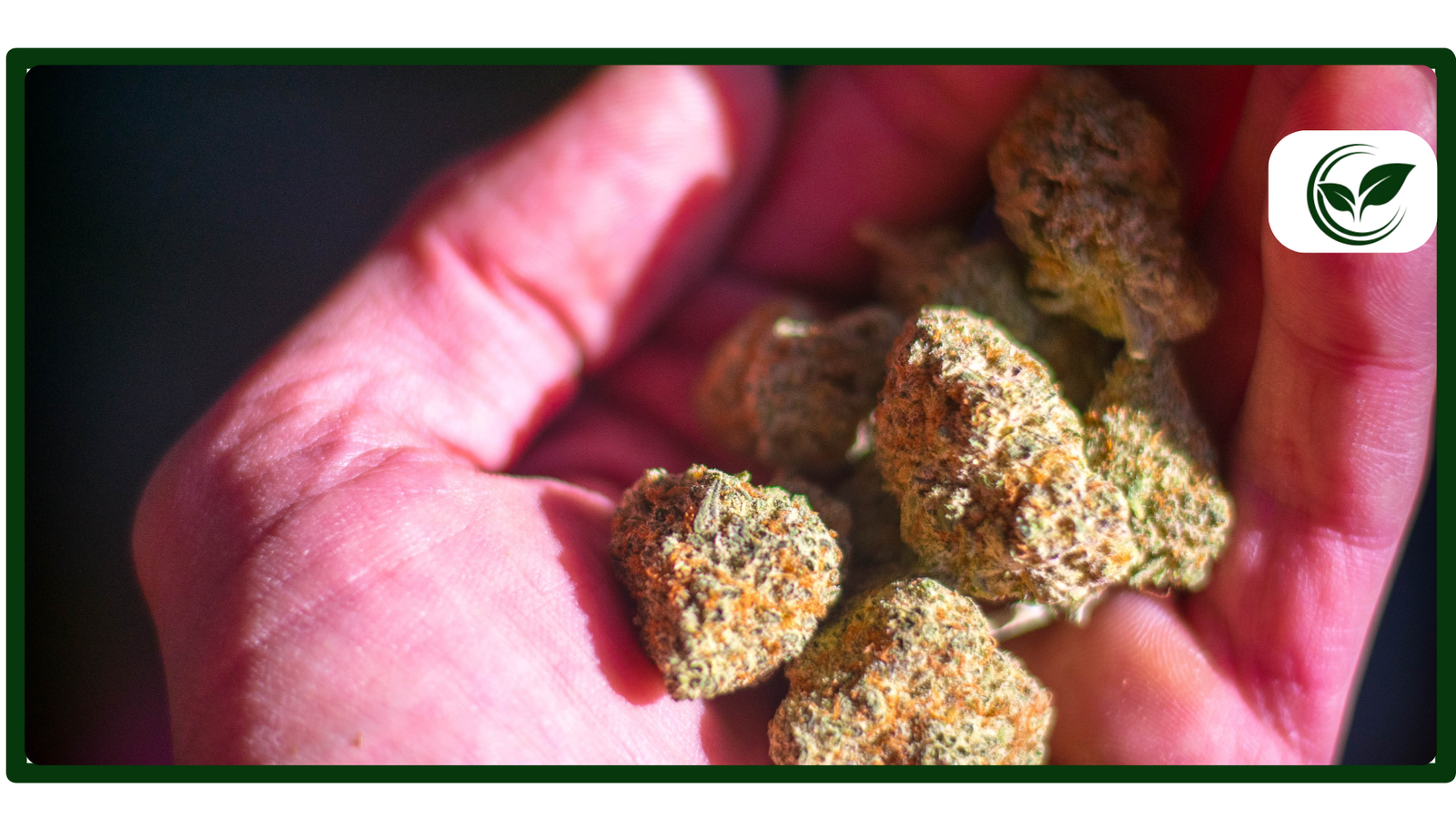
Every state in the US seems to have different rules about weed laws. Some states have made marijuana completely legal for both medical and recreational use, while others still have strong laws against it. Texas is a place that is being talked about a lot in this vote. People from outside of Texas often wonder, “Is weed legal in Texas?” because of the state’s size, power, and unique political environment.
In a word, no—using marijuana for fun is still against the law in Texas. But the state has taken some small steps toward letting people use medical marijuana in some situations. This blog post will go into detail about Texas’s marijuana laws, fines, the state’s Compassionate Use Program, medical marijuana qualifying conditions, and what the future may hold for making marijuana legal in the Lone Star State.
What the Law Says About Weed Right Now in Texas
As of 2025, Texas does not allow people to use marijuana for fun. State law makes it illegal to have, sell, or give away marijuana. People caught doing these things can get fines or even jail time, based on how much they have.
Using marijuana for fun
Texas has not approved cannabis for recreational use like states like California, Colorado, or New York have. It’s possible to get a misdemeanor, fines, and even jail time for having less than two ounces of marijuana.
Medical cannabis
This plant can be used for medical reasons in Texas, but only through the Texas Compassionate Use Program (CUP). Since it started in 2015, this program has made low-THC cannabis oil available to people with certain medical illnesses. Low-THC weed is defined by the law as having no more than 1% THC by weight.
Texas Compassionate Use Program (CUP)
Texas has a program called the Compassionate Use Program that lets people who need medical marijuana use it. Other states make it easier for people to get medical cannabis, but Texas only lets patients use low-THC oil. Smoking marijuana is still banned, even for patients.
Who Can Be Eligible?
The service helps people with certain conditions, such as:
- Seizures
- Problems with seizures
- People with multiple sclerosis
- Being stiff
- ALS stands for amyotrophic lateral sclerosis.
- Autism
- Cancer (all stages, not just the end stage)
- PTSD stands for post-traumatic stress disorder.
- Neurodegenerative illnesses that can’t be cured
Low-THC cannabis can be prescribed by doctors who are registered with the CUP to people who have been identified with these conditions.
How It Works
- You don’t need a medical marijuana card: Texas is different from most states because users don’t need to carry a “medical marijuana card.” Prescriptions are instead put straight into the Compassionate Use Registry of Texas (CURT).
- Dispensing: Licensed dispensaries sell cannabis products with low THC, normally in the form of oils, tinctures, or lozenges.
- Smoking or smoking marijuana is still illegal, even for people who need it for medical reasons.
Penalties for Marijuana Possession in Texas
Even though people’s views on marijuana are changing across the country, Texas still has strict laws against possession:
- Not more than 2 ounces: If you get caught, you could spend up to 180 days in jail and pay a $2,000 fine.
- 2 to 4 ounces: You could go to jail for up to a year and a fine of up to $4,000 if you have 2 to 4 ounces.
- More than 4 ounces: If you have more than 4 ounces, you are guilty of a felony and could spend anywhere from 180 days to 99 years in jail.
- To give you an idea, having more than 200 pounds of marijuana can get you life in jail and a fine of up to $50,000.
The Uncertainty Zone Between Hemp and Marijuana
Texas made it legal to grow and sell hemp and goods made from hemp that have less than 0.3% THC in 2019. This includes CBD oil, sweets, and other goods made from hemp.
This has caused some misunderstanding among police, since telling the difference between hemp and marijuana usually needs to be done in a lab. Even though CBD is allowed, Texas law still says that any product with THC above 0.3% is illegal marijuana.
What People Think About Legalizing Cannabis in Texas
The state takes a hard stance, but most people don’t agree with it. A lot of polls show that most Texans want marijuana to be allowed, whether it’s for medical or recreational use.
- A poll done by the University of Texas and the Texas Tribune in 2023 found that 72% of Texans want medical marijuana to be allowed.
- Almost 55% want full legalization for casual use.
This gap between what politicians think and what the public thinks has led to ongoing debates and efforts to pass laws.
Attempts to Make It Legal
In Texas, there have been several moves to change cannabis laws in the last ten years. Some steps have been taken toward full legalization, but none of them have been successful:
- Bills to decriminalize: Several bills have been presented to lower the penalties for small amounts of marijuana. Some city governments, like Austin, have made it so that arresting people for marijuana possession is not as important.
- Growth of CUP: The list of illnesses that qualify for the Compassionate Use Program has grown since it started in 2015, showing that small steps are being taken in the right direction.
- Political Climate: As the population changes and popular support grows, lawmakers are under more and more pressure to rethink cannabis laws.
How Texas Is Like Other States Near It
Compared to its neighbours, Texas takes a different stance:
- Oklahoma: There are thousands of shops all over the state that sell medical marijuana.
- New Mexico: fully approved marijuana for both medical and recreational use.
- Arkansas: lets people use medical marijuana.
- Louisiana: has a medical marijuana program that is controlled.
Because of this, Texans often have to go to neighbouring states to get weed, which makes the call for change in Texas even stronger.
Federal Law vs. Texas Law
Even though marijuana is still considered a Schedule I drug by the federal government, many states have made it legal. But Texas follows the federal law very closely, especially when it comes to using drugs for fun.
Still, the 2023 growth of federal hemp laws has made it possible for CBD businesses to grow in Texas, creating a booming hemp economy even though marijuana is still illegal.
What Will Happen with Marijuana in Texas?
Will Texas ever be able to legally grow weed? That’s the main question. This is what we can expect:
- Step-by-Step Growth of CUP: As time goes on, lawmakers may add more conditions and raise the THC limits for legal use.
- Maybe not making it a crime: Some cities, like Austin, are showing the way by putting less emphasis on enforcement, and other cities may follow.
- Recreational Legalization: It might not happen right away, but more and more people in Texas are supporting legalization, and that could happen in the next ten years, especially as more neighbouring states legalize weed too.
Main Points
- Texas still doesn’t allow people to use weed for fun.
- Under the Texas Compassionate Use Program, people can get medical marijuana, but they can only get low-THC cannabis oil.
- The penalties for possession are harsh, but some towns are making it easier to follow the law.
- As long as they have less than 0.3% THC, CBD and hemp products are allowed.
- A lot of people want marijuana to be legal, but state lawmakers have been slow to act.
Last Thoughts
In Texas, weed is not allowed for recreational use. This is important to remember if you live there or want to move there. The state’s strict Compassionate Use Program is the only way to get medical cannabis with low THC. This program helps people with certain illnesses.
Even though it’s been slow, there is clear movement. As people’s views change, neighbouring states legalize marijuana, and pressure on politicians grows, the future for marijuana in Texas may be different. But for now, Texans have to deal with one of the strictest weed laws in the country.


