
Get Your Medical Marijuana Card in Texas Today
Texas is about to make some significant changes to its medical cannabis program. For years, Texas has tightly restricted access to medical cannabis, and cannabis is illegal for recreational use. But with 2025 advancing upon us, there will be updates to the law increasing eligibility for patients to use medical cannabis, expanding dispensary access, and removing restrictions to access in general. This guide will help you understand everything you need to know to legally access medical marijuana in Texas, the smart way today.

4.9/5.0 based on 9K+ reviews
Trusted by 2M+ Americans. Quick. Easy. 100% Legal.






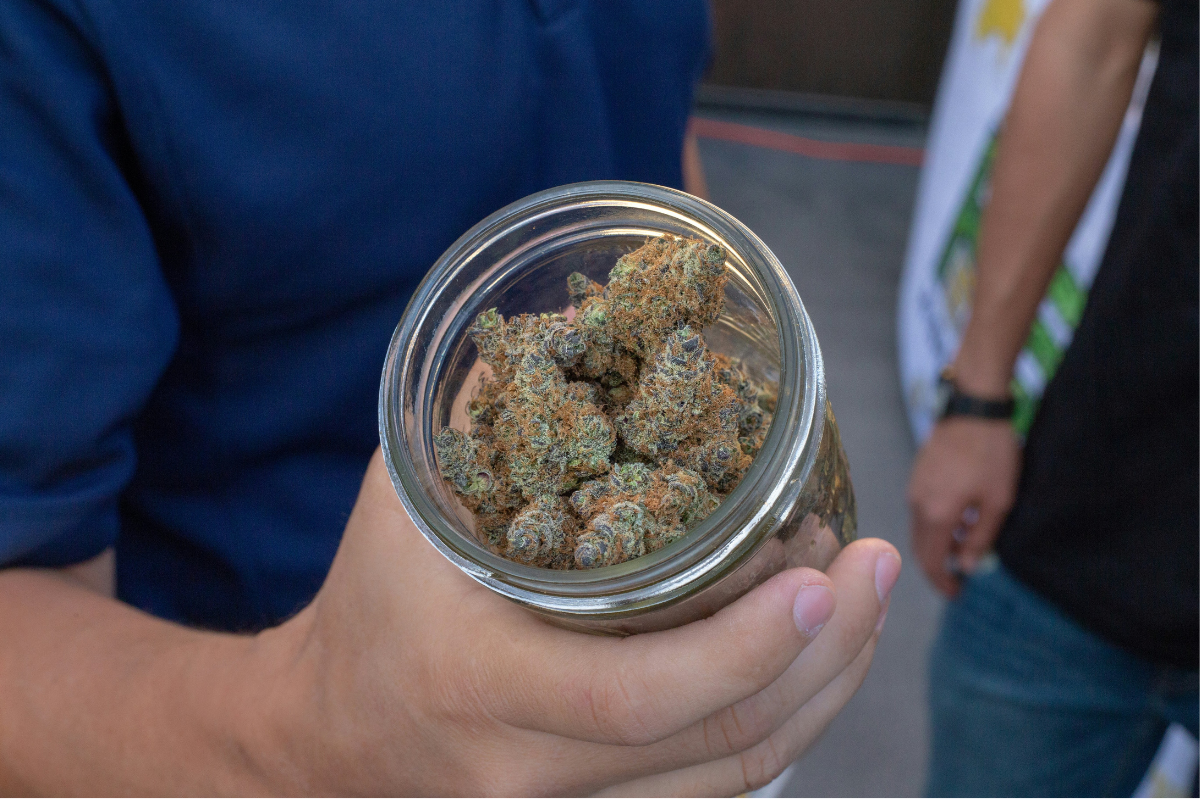
Is Medical Marijuana Legal in Texas?
Yes, but in a limited way. The Texas Compassionate Use Program (TCUP) grants qualifying patients the right to legally use low‑THC cannabis (up to 1% by weight or 0.5%, depending on the legal definition), but there are very strict limitations. First, the patient can’t smoke or vape. The cannabis must be taken orally in as an oil, capsule, tincture, or edible as its method of consumption.
The program was started in 2015 through Senate Bill 33,9 that legalized the use of cannabis oil for the treatment of intractable epilepsy. Since 2015, TCUP has expanded its list of qualifying conditions to include some forms of cancers, post-traumatic stress disorder (PTSD), and some neurodegenerative diseases. Other than the TCUP statute, there is no legal recreational cannabis in Texas, and even in small amounts (less than 2 ounces), possession is still a Class B misdemeanor, which carries a maximum sentence of 180 days in jail and a maximum fine of $2,000.
Texas is very conservative in its approach compared to California or Colorado. There are only a few licensed dispensaries in the state of Texas, and the patient must go through a tightly controlled process that involves only TCUP-registered physicians. Even with these limitations, the TCUP has brought patients much relief for serious health conditions in Texas.
Simple Online Steps to Get Your Medical Marijuana Card in Texas

1. Begin with Fast & Safe Internet Form
Start by completing a brief health survey and sending in a copy of your residence in Texas (such as a state ID or a driving license). The process is also encrypted all the way, and thus your personal information remains safe and confidential.

2. Make your online booking
Choose the time that will suit you. No waiting rooms or travel, all you need to do is a simple video consultation with a licensed Texas MMJ doctor, and that is right in the comfort of your own home.

4. Last Registration & Receive Your Card
Your medical provider will enter your prescription in CURT, which is the state database. You do not get a physical card; your digital registration is your legal proof.

3. Communicate One-to-One with the Doctor
It can be a brief call of 10-15 minutes where the doctor would inquire about what ails you and how medical cannabis can be used to improve your health. Provided that you are qualified, the doctor will send your recommendation directly to the Texas Department of Health.
Testimonials - Everyone Loves Us.
After years of struggling with chronic pain and trying endless medications, getting certified through TCUP changed everything. The low-THC treatment has significantly improved my quality of life, without the harsh side effects.
Sammy Byrd
I was diagnosed with PTSD after military service. Traditional meds made me feel numb. My doctor recommended TCU, P, and now I’m finally sleeping better and feeling more balanced. The process was easier than I expected!
Kim Garcia
My experience with getting my Medical Marijuana Card in Texas went very easily and stress-free. It took a short time to go through the process; the employees were friendly and I was approved without talking much.
Giovanni Hoffman
PROFESSIONALS BEHIND EVERY MMJ CARD APPROVAL
Meet Our Licensed Medical Cannabis Professionals
We believe that compassionate, expert care is the basis for effective treatment. That’s why we bring only licensed medical cannabis specialists with extensive experience who care about your overall health in each of your health journeys and who will deliver excellent care with empathy, professionalism, and respect. Our doctors listen, understand your needs, and help you develop a treatment plan that feels right for you.

Dr. James Carter, MD
Dr. James Carter has specialized knowledge and experience in the role of medical cannabis specialist. With specific experience in chronic conditions, including arthritis, migraines, and PTSD, he meets every patient where they are in terms of their personal and healthcare journey and provides a supportive, nonjudgmental environment for them. He is known for listening intently and taking a patient-first approach to healthcare. He understands the importance of tailoring each treatment plan to the individual patient. His work is based on helping patients feel heard and respected while facilitating their independence to use cannabis for healing.

Dr. Rachel Bennett, DO
Dr. Rachel Bennett combines osteopathic principles and knowledge of medical cannabis to provide holistic, whole-person care. She has particular expertise in symptom management for chronic pain, nausea, and epilepsy. Dr. Bennett’s emphasis is first on learning about each patient’s past health history and lifestyle to better provide personalized cannabis treatment plans. With her as a guide, patients feel enabled, educated, and engaged throughout the entire process of care.

Dr. Michael Reed, MD
As a cannabis physician with a great deal of respect for his evidence-based approach and laid-back, warm demeanour, Dr. Michael Reed is here to help. Dr. Reed works with many patients managing anxiety, symptoms of multiple sclerosis, and symptoms of cancer. Dr. Reed is passionate about patient education. He spends time explaining the science of medical marijuana and how it may improve daily life. Trust and personalized, results-oriented care are his focus.

Dr. Laura Simmons, LCSW
Dr. Laura Simmons pulls from a considerable background in social work and mental health. Her cannabis evaluations for patients struggling with issues of PTSD, depression, or chronic pain are delivered from a place of compassion. Dr. Simmons takes a patient-centred approach and puts a priority on treating emotional and physical wellness simultaneously. Dr. Simmons provides a caring and safe space for patients to be free and talk openly about their supportive relationship with medical marijuana, and, therefore, her patients feel genuine support in their work together. Experience compassionate care from professionals who truly understand.
Who Can Qualify?
Patients with legally recognized diagnoses and proof of residency can get certified. There are no age limits; however, a minor must have a legal guardian acting as caregiver.
Veterans are included in the eligible, and HB 46 includes protections and fewer obstacles to obtain the certification and access to meet the needs of veterans with chronic and serious needs.
Costs You Should Know
- Doctor’s evaluation fee: $100–$250 (varies by provider)
- The state does not bill patients for registry entry
- Product prices at dispensaries vary; scarcity may drive costs.
Which Medical Cannabis Products Are Allowed?
Texas law only allows low‑THC formulations right now, including:
- Capsules, tablets
- Oils and tinctures
- Transdermal patches or lotions
- Edibles that don’t apply to smoking or vaping
Each package can have up to 10 mg THC per dose and 1 g total (HB 46 will set the dosing cap) starting Sept 2025.
Medical vs. Hemp-THC Products
It appears that Texas may be looking to outlaw hemp-derived THC products Gummies, vapes, and infused drinks (with most, if not all, intended to get consumers high). As it stands now, federally, these products are legal, provided they have less than 0.3% delta-9 THC by dry weight. However, increasing strength and psychoactive effects are raising alarms among public officials and health experts in Texas and elsewhere.
If passed, this legislation would ban virtually all hemp-derived THC products sold over-the-counter, e.g., delta-8, delta-10, and THC-O products, that you find in gas stations or smoke shops. To note, the TCUP Texas Compassionate Use Program would be the only way to legally obtain THC in Texas, and there are requirements approved by a physician and a qualifying medical condition.
Prohibiting hemp-derived THC products will significantly impact consumers who take hemp-derived THC instead of TCUP, for conditions like anxiety, pain, or sleep disorders. Unfortunately, it would likely increase issues with the black market, as this would further complicate the issue of public safety and enforcement, as seen in many locations.
On one end, advocating state regulation, not prohibition, is the answer. Others argue that there are simply too many abuse issues, especially when it comes to age, among other considerations. For now, Texans must stay informed and understand that only medically approved THC through TCUP may be available to legally purchase in Texas.
How Long Will Certification Take?
- Most telemedicine providers provide certification within 24–48 hours of evaluation.
- Physicians will promptly enter patient information into CURT.
- Some may provide same-day certification based on demand.
Restrictions & Use Rules
- Prohibited from smoking or vaping
- Cannot exceed THC limits established by the state
- Only caregivers may purchase cannabis products for minors.
- Prohibited from sharing or distributing cannabis.
- Possession or distribution for non-curative use is illegal.
- Do not cross state barriers with cannabis.
Qualifying Conditions: Who Can Get Certified?
- ALS (Amyotrophic Lateral Sclerosis)
- Autism
- Cancer
- Epilepsy & seizure disorders
- Multiple sclerosis (MS)
- Spasticity
- PTSD
- Neurodegenerative disorders
- Seizure disorder
A licensed physician who is registered in the TCUP system must formally diagnose each condition. The physician must also assess that the benefits of low-THC cannabis treatment outweigh the risks to the patient.
Patients who have complicated or overlapping conditions may still qualify if their symptoms fall within those covered by the eligible list—for instance, a traumatic brain injury with spasticity or seizure disorder might currently be covered criteria.
Your Trusted Online Partner for Texas Medical Marijuana Card Approvals
Quick & Easy Process
No complex procedures and complicated documents. Obtaining your Texas MMJ card takes just a few steps online and is quite simple.
Licensed Doctors of Texas Only
Access real doctors with certification under the Texas Department of Health directly to analyze and prescribe medical marijuana.
Online and Convenient
It is possible to apply directly at home; no traveling or visiting a clinic is required. It is all digital, which saves you time and effort.
Clear Prices
What you pay is what you see. No hidden tax, no last-minute surprises, everything is fairly and honestly priced.
HIPAA Compliant
Your medical and personal details remain safe with us. Even 100% care is taken, and confidentiality is maintained.
Fast Approvals and Formals
A doctor will give the recommendation within 10 minutes, and they can proceed with it.
Relied upon by Thousands in Texas
Our platform is reliable and has ensured that thousands of Texas residents get medical marijuana safely.
Process at Full State-Compliance
We do everything according to the provided instructions by the Texas Department of Health so that your application remains legal, safe, and approved in a confidence-inspiring manner.
Frequently Asked Question
Is medical marijuana allowed in Texas?
Yes, but only in a limited way, through the Texas Compassionate Use Program (TCUP), which allows for low-THC cannabis (cannabis with no more than 1% THC by weight) for qualified medical conditions.
Who qualifies for a medical marijuana card in Texas?
Currently, qualifying conditions include PTSD, epilepsy, cancer, multiple sclerosis, autism, and a host of neurodegenerative disorders. As of September 1, 202, chronic pain, inflammatory bowel disease (IBD), traumatic brain injury (TBI), terminal illness, and hospice care patients will be added as qualifying conditions.
Can I smoke medical cannabis (low-THC cannabis) or vape it under the TCUP?
No. The TCUP only allows for swallowed (e.g, capsules, oils, and tinctures encapsulated in oil) low-THC cannabis, and does not allow for either smoking or vaping.
Looking to Apply for an Texas Medical Marijuana Card? Start Here
The medical marijuana program in Texas is still restrictive, but some new legislation provides hope. With an expanded eligibility requirement to include additional conditions, more access to dispensaries, and clearer legal protections, patients suffering from chronic pain, terminal illness, or neurological conditions may find legal relief, but only through registered physicians and licensed dispensaries.
Once you know if you qualify, talk to a TCUP-registered physician to initiate the evaluation, CURT registration, and the legal access to medical cannabis process quickly.
Official Source Links – Texas
Texas Department of Public Safety – Compassionate Use Program (CUP) Official Portal
CUP Program Overview & Compassionate Use Registry of Texas (CURT)
Texas.gov – Medical Marijuana Use & Eligibility Information
Texas Medical Marijuana Law & Compassionate Use Program Policy (2025)